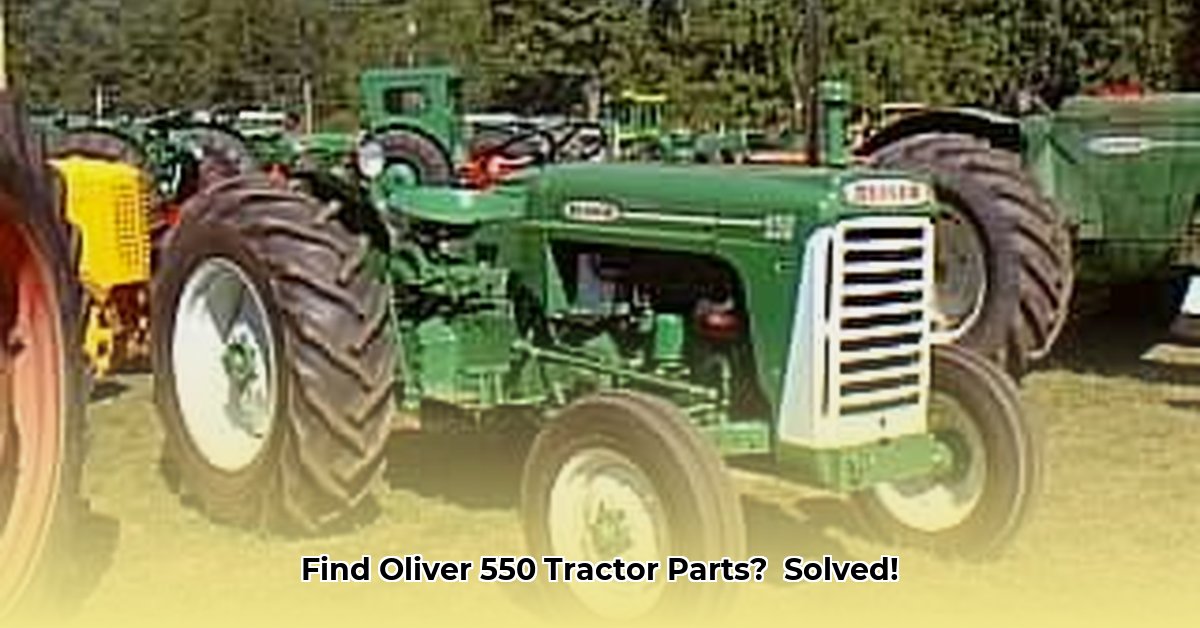
Oliver 550 Tractor Parts Diagrams: Your Restoration Roadmap
Finding parts for a classic Oliver 550 tractor can be challenging. This guide uses parts diagrams to help you identify, source, and install the components you need, transforming a daunting task into a manageable project. This guide will cover everything from accurately identifying the part you need to knowing where and how to source it, emphasizing the importance of preventative maintenance.
Decoding Your Oliver 550 Parts Diagram: Understanding the Blueprint
Your Oliver 550 parts diagram acts as a detailed blueprint, illustrating the tractor's internal workings. It's more than a picture; it's a critical tool for efficient repair. Each part is clearly located and often marked with a unique part number, essential for ordering replacements. The diagram helps to show how everything fits together to make the restoration process easier. Mastering this blueprint is key to successful repairs. Wouldn't you agree that understanding the diagram is the first step in any successful repair?
Locating Your Oliver 550 Parts Diagram: Resources at Your Fingertips
Where can you find these essential diagrams? Your owner's manual is a good starting point but may not provide comprehensive coverage. For more detailed diagrams, explore online resources. Many websites specializing in vintage tractor parts and restoration often offer downloadable parts catalogs or freely accessible diagrams. Furthermore, engaging with online forums dedicated to Oliver tractors can connect you with a vast, knowledgeable community ready to share insights and resources.
Identifying the Needed Part: Using Your Diagram Effectively
Imagine your tractor is experiencing fuel-pump issues. Your parts diagram becomes your guide. Locate the fuel system section (usually clearly labeled). The diagram will pinpoint the fuel pump's location and provide its part number. This number is crucial when ordering a replacement. Always verify the part number for compatibility before purchasing. Is accurate part identification the most important step in the repair process?
Sourcing Oliver 550 Parts: A Multi-Pronged Approach
With your part number in hand, explore these sourcing options:
Online Retailers: Websites like Yesterday's Tractors (https://www.yesterdaystractors.com/) specialize in vintage tractor parts and provide detailed online catalogs. They frequently have a wide selection, including both common and hard-to-find items.
Local Suppliers: Don't underestimate the value of local agricultural equipment dealers and repair shops. They might have the part in stock, know alternative suppliers, or offer invaluable local expertise. Have you considered seeking advice from local experts?
Used and Rebuilt Parts: The vintage tractor community is a treasure trove of used and rebuilt parts. Online forums and classifieds are great places to find these, often at lower costs. Remember to inspect used parts carefully before purchasing.
Troubleshooting Before Ordering: Avoiding Unnecessary Purchases
Before ordering, verify that the suspected part is the actual cause of the problem. Basic troubleshooting, aided by your parts diagram, could reveal a loose connection, a clogged filter, or another easily addressed issue. This saves you money and time. Could a simple adjustment solve the problem before replacing a part?
Preventative Maintenance: Prolonging Your Tractor's Life
Regular preventative maintenance is your best investment. Scheduled oil changes, fluid checks, and thorough inspections significantly extend your tractor's lifespan. Preventative care minimizes the need for frequent part replacements and keeps your Oliver 550 running smoothly for years to come. Does regularly scheduled maintenance impact the longevity of your tractor?
Key Takeaways: Mastering the Art of Oliver 550 Repair
Successfully restoring your Oliver 550 hinges on understanding and utilizing parts diagrams. Online resources, local expertise, and the supportive community of vintage tractor enthusiasts are all invaluable assets. Prioritize accurate part identification, explore diverse sourcing strategies, and prioritize preventative maintenance to ensure your restoration project is successful.